


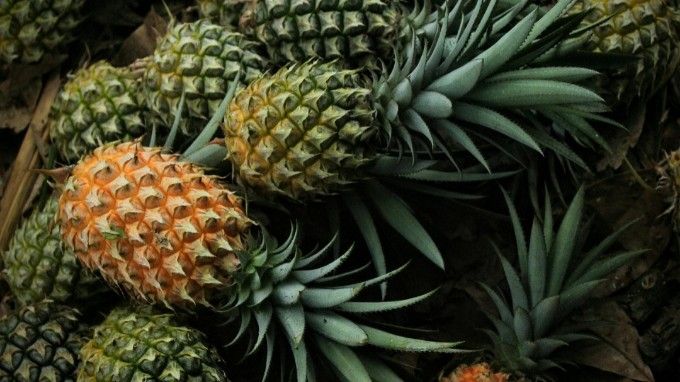
Arunachal Pradesh is a well recognised state in North East India which has a variety of forests, rivers and mountains. It is often compared to heaven on earth because of how pretty it looks. When it comes to “Pineapple Fiber Textiles in Arunachal Pradesh: Unique Weaving Techniques and Cultural Significance”, it holds a significant amount of promise and growth. The best thing about it is that it is made in an eco friendly way from the leaves of the pineapple plants. The fiber is usually extracted from the leaves and discarded after harvesting the fruit. Therefore, creating something usable from a waste product is an amazing achievement.
The Meaning of PALF
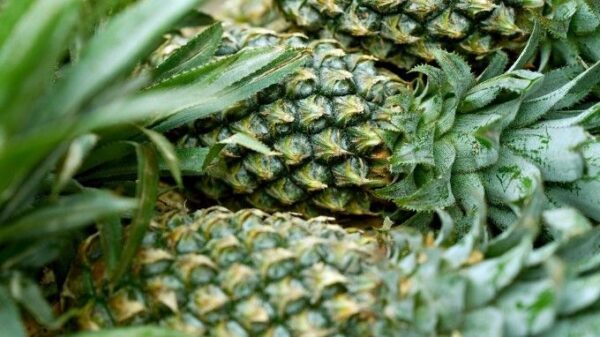
When it comes to “Pineapple Fiber Textiles in Arunachal Pradesh: Unique Weaving Techniques and Cultural Significance”, pineapple fiber is a great material as it possesses a high amount of cellulose which gives the fiber strength as well as durability. Since it has a white color, once it is processed well, it can look fine and lustrous. Creating things from pineapple fiber will increase the biodegradable nature and lower the environmental footprint of Arunachal Pradesh. There is a place called the Tynrong village where craftsmen expertly extract fibre from pineapple leaves and wait for it to dry. After that, they dye it into a color of their choice. Then they use their twisting and knotting techniques to make coasters and bottle bags from the fibers. The process is really complex and time taking because it involves extraction of the pineapple, wet processing and creating innovative designs with the help of it. This requires a number of days to successfully make. Firstly, pineapple need to be collected from the harvest from the local farms of Arunachal Pradesh. Then after gathering the required raw material, the leaves need to be thoroughly cleaned.
The Extensive Process
After cleaning the leaves, they are often scrapped so that they can get proper fiber bundles. When it comes to “Pineapple Fiber Textiles in Arunachal Pradesh: Unique Weaving Techniques and Cultural Significance”, the fibres are again repeatedly soaked in water or some mild cleaning chemicals so that the material becomes very flexible. It is then dried under the sun and cleaned into fine strands which would make the next process of spinning easy. Fibres are often blended with cotton so that the overall feel of the textile is smooth and strong. Loin looms are used in certain tribes. Some tribes use floor looms; some use backstrap looms. The original weaving traditions are Apatani, Adi and Mishmi which is done with the help of indigenous yarns. After the process of weaving is completed, tribal designs are drawn like zig zag patterns or animal motifs or bird motifs which adds beauty to the upcoming textile. After that, the product is readily dyed and finished with the help of PALF yarns. This showcases the heritage link and the environmental benefit of the product. As a last step, the product is washed and ironed.
How it is Culturally Important
Creating textiles from pineapple fibre is a good step in a cultural way because it preserved the economic identity of the place. It helps in the creation of wrap garments at the time of festivals. It also helps in creating textile pieces that are heirlooms. Weaving gives the women of Arunachal Pradesh an opportunity to earn their own two cents and build their very own self independence and identity. It allows them to have financial backing which is a great achievement in itself. The best thing is that pineapple fibre is derived naturally from the environment.
Author
Shreeja Mukherjee
Explore all articles: Click here