


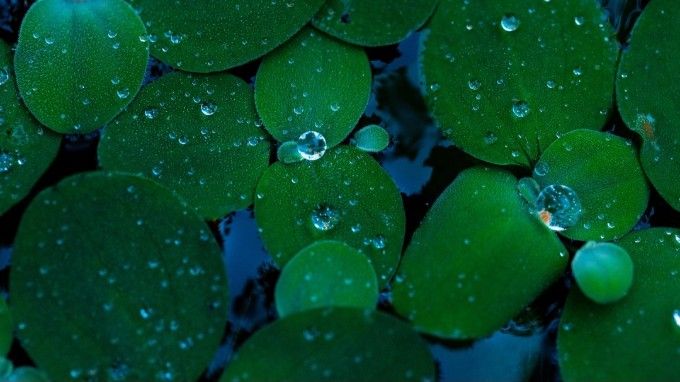
When it comes to “Water Hyacinth Crafts of Assam: Eco friendly Traditions that Preserve the North Eastern Tribal Heritage”, the water hyacinth is scientifically known as Eichhornia crassipes. The water hyacinth crafts have been taking place for a number of years in North East India. They are also called the Pani Meteka in the state of Assam. It was originally a method to deal with a bothersome plant. However, today is a form of price for the Assamese because it has created a number of cultural dimensions.
Why was Water Hyacinth Chosen
Water hyacinth was chosen as the craft material because it is a kind of invasive species. Its origin is from South America but it grows quickly in many new regions and invade the wetland ecosystem of that place. When it comes to “Water Hyacinth Crafts of Assam: Eco friendly Traditions that Preserve the North Eastern Tribal Heritage”, this hyacinth has a really quick rate of multiplication which allows it to cover water bodies very fast and thereby, it blocks the reach of sunlight to aquatic plants. Since sunlight is unable to enter the water, the oxygen levels decrease rapidly which kills the fish population. The other problem is that water hyacinth also clogs waterways by blocking the flow of the river. That, at first, made the Assamese think of it as a waste. Today, they use it as a craft to clean the environment as well as create new economic opportunities.
This is done by preparing the raw material, in the beginning. The artisans manually harvest it from lakes or wetlands in areas like Tinsukia or Pub Mongoldai. The locals carefully collect the water hyacinth. They flatten it so that it is easy to work with and even remove the extensive fibers.
The Remaining Work
These pieces have similar sizes which allows the artisans to begin the journey of weaving properly. When it comes to “Water Hyacinth Crafts of Assam: Eco friendly Traditions that Preserve the North Eastern Tribal Heritage”, they sometimes even take out the fibers of the hyacinth. After that, they begin to weave it either by braiding it or by knotting it. Sometimes they even add the water hyacinth to cotton yarns or to wooden handles to make it look functional or decorative in nature. The most common products that are created from the water hyacinth are the baskets, trays, coasters, mats and lamps. Some new stalls have also started to create pen stands and purses. After the artisans have weaved it into the desired product, they sometimes also use natural dyes to enhance the beauty of the product. Nowadays, as technology has advanced, the water hyacinth can also be dried easily using a solar dryer. The finishing of the products also has become better because of a rise in market demands.
The Social Uses of this Craft
The most basic and environmental advantage is that it reduces the increase of water hyacinth species which decreases the water blockages in the city of Assam. It also increases the oxygenation levels of the river, which in turn allowa the aquatic flora and fauna to survive and thrive. The secondary advantage is that the people of the state get an economic opportunity to showcase their artistic abilities and earn money from their talent. The best part is that it is authentically recognized with the help of GI tag. Even housewives can partake in this craft during their free time which allows them to have their very own income. Therefore, it supports the upliftment of women.
Author
Shreeja Mukherjee
Explore all articles: Click here